
Honkai: Star Rail
COGNOSPHERE PTE. LTD.Adventure
3.714.13K Reviews
- Version
- 4.7.0
- Installs
- 10.00M
- Age Rating
- Teen
Screenshots
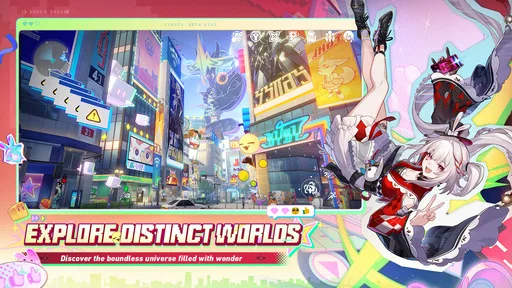
Our Review of Honkai: Star Rail
 Analysis by Appyee
I tend to enjoy mobile RPGs most when they give me a clear reason to return without demanding that every session become a long commitment. Honkai: Star Rail has a strong hook for that: a science-fiction adventure with a steady stream of goals, story moments, and turn-based battles. It is free to start, though optional in-app purchases range from $0.99 to $99.99 per item, so it is worth deciding early whether you want to keep spending strictly optional.
As an adventure RPG from COGNOSPHERE PTE. LTD., it suits players who like following a cast through distinct worlds and improving a team over time. The game is rated Teen, and its mix of dialogue, exploration, and strategy makes it a better fit for someone who enjoys taking things at a measured pace than for someone looking for a quick arcade game. I found its appeal comes less from one isolated feature than from how its story and combat give each other context.
A Journey Through the Stars
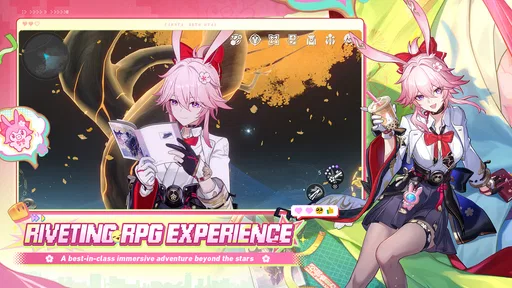
Let's talk about what makes Honkai: Star Rail so captivating. Right off the bat, the game throws you into a universe where science fiction meets fantasy. You embark on a galactic adventure aboard the Astral Express, traveling through various worlds and encountering a plethora of characters, each with their own unique backstories. The narrative is rich and engaging, and if you’re anything like me, you’ll find yourself eagerly tapping through dialogues just to know what happens next.
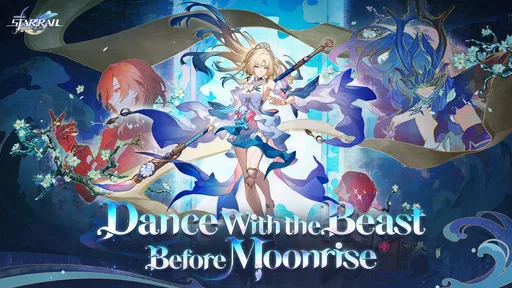
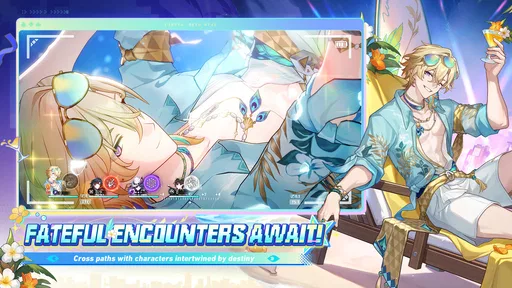
One of the standout features is the character design. The developers have really outdone themselves with a cast that is both diverse and visually striking. Each character brings something different to the table, whether it’s their combat skills or their quirky personalities. Trust me, you’ll find a favorite in no time!
Gameplay Mechanics
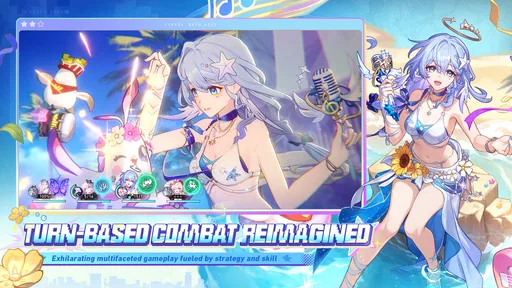
Now, let's dive into the gameplay. At its core, Honkai: Star Rail is a turn-based RPG. If you’re familiar with games of this genre, you’ll feel right at home. But even if you’re new to it, the game does a fantastic job of easing you into the mechanics. Battles are strategic and require you to think a few steps ahead, which is a refreshing change from the usual button-mashing chaos.
The game also features an intricate system for upgrading your characters and weapons. This adds a layer of depth and keeps you invested as you develop your team to take on tougher challenges. And here’s a little tip from me: don’t ignore the side quests! They’re not only fun but also offer valuable rewards that can aid you in your journey.
Visuals and Sound
The visuals in Honkai: Star Rail are nothing short of breathtaking. The game boasts high-quality graphics that bring each world to life. From lush jungles to futuristic cities, each setting is meticulously crafted and a joy to explore. The attention to detail is impressive, and I often found myself pausing just to admire the scenery.
And let’s not forget about the soundtrack. The music is an absolute treat, perfectly complementing the game’s atmosphere. Whether you’re in the midst of an intense battle or simply wandering around, the tunes are sure to enhance your experience.
Community and Multiplayer
Another aspect worth mentioning is the game’s community. Honkai: Star Rail has a vibrant and active player base, which makes the multiplayer aspect of the game even more enjoyable. Joining forces with other players to tackle challenges adds a social element that I find quite appealing. Plus, the developers are constantly updating the game with new events and content, keeping the experience fresh and engaging.
There's also a trading system that allows you to exchange items with other players. This not only helps in acquiring rare items but also fosters a sense of camaraderie among players. It’s always nice to know you’re part of a larger community.
Early Goals and Progress Signals
What kept me moving through the opening stretch was having a few different goals at once. The main story gives you a reason to see what lies ahead, while side quests let you spend time with smaller character moments and pick up useful rewards. Character development adds a longer-term target: when a battle exposes a weakness, I can think about who to improve rather than treating a loss as a dead end.
A practical way to avoid aimless grinding is to treat story progression as your guide, then do side content when it supports a goal you actually care about. If you are eager to see the next story beat, keep moving forward; if a tougher fight has stalled you, use optional activities to strengthen your team. That choice makes progress feel more deliberate than simply clearing every available task.
There are several satisfying signals that a session has moved you forward: a new piece of story, a character becoming more useful, or a battle that asks you to rethink your approach. Those rewards arrive in different forms, which helps the game avoid making every goal feel like a number going up. The trade-off is that players who prefer one simple, visible objective may find the range of activities a little diffuse.
How the Challenge Changes
The turn-based format gives you room to make decisions instead of relying on fast reactions. I like that pause for thought, especially when a fight makes team choices feel meaningful. A stronger opponent can prompt you to consider your lineup and upgrades, so the challenge is not only about repeating attacks. The game is most satisfying when I take that moment to adjust rather than expecting one approach to work everywhere.
That does not mean every encounter will feel perfectly balanced for every player. If you rush through the story without paying attention to character development, a difficult stretch can feel like a wall. On the other hand, players who enjoy optimizing teams may find the repeated process of improving characters and testing a plan more rewarding than those who want to coast through battles. I would not choose it for a purely casual, no-planning play style.
Compared with action-oriented mobile RPGs, this one puts more weight on turn order and decisions than on reflexes. That makes it easier to play in short pauses, but it also means the pace is less immediate. If you want constant movement or direct real-time control, a more action-focused adventure may suit you better. If you like thinking through a fight, this approach is a real strength.
A Session That Fits Everyday Play
For me, a realistic session might be opening the game during a quiet break, pushing one story objective, and then stopping after a battle or side quest gives me a natural endpoint. I do not need to turn every visit into a long evening. When I have more time, I can linger over dialogue and scenery; when I have less, I can focus on a concrete objective rather than wandering around hoping to make progress.
One useful habit is to decide before opening the game whether the session is for story, side content, or character improvement. That small choice helps keep the many possible goals from competing for attention. It also makes the game easier to return to after a gap: I can pick one clear task instead of feeling that I need to catch up on everything at once.
This structure is particularly appealing if you like a narrative game that can be enjoyed in portions. It is less suitable if you want a self-contained match that begins and ends in a few minutes, or if frequent dialogue interrupts your preferred pace. The story is part of the reward here, so skipping it to reach battles faster can make the journey feel thinner.
Spending, Updates, and Staying Power
The game is free to download, which makes it straightforward to try before deciding whether its style suits you. Its average rating is 3.5 from around 498,000 ratings, and it has more than 10 million installs. Those figures suggest a large audience, but they should not replace your own test: a popular game can still be a poor match if you dislike story-heavy pacing or team-building. The current version is 4.0.0, and ongoing updates and events give returning players reasons to check back.
That steady flow of fresh content can be a plus, but it can also create a sense of pressure to keep up. I recommend treating events as optional invitations, not obligations. If you have limited time, choose the parts you genuinely enjoy and let the rest go. Optional purchases can make the experience more tempting for players focused on expanding their options, so setting a personal spending limit before you start is sensible.
For comparison, many adventure RPGs center exploration or real-time combat as the main attraction. This one’s strongest identity is the combination of a serialized journey and turn-based team battles. It rewards curiosity about the characters as much as tactical interest. Players who want open-ended exploration above all else, or who prefer a fully action-led combat loop, may be happier with a different kind of RPG.
Who I’d Recommend It To
I would point a friend toward it if they enjoy science-fiction settings, character-driven stories, and battles where it is worth considering a move before making it. It is also a good option for someone who wants an ongoing game they can revisit without needing every session to be identical. The Teen rating is a useful age guide, and the game’s story and combat give players different reasons to stay engaged.
I would be more cautious recommending it to someone who dislikes frequent dialogue, wants every reward to arrive quickly, or feels stressed by games that keep adding things to do. It is also not my first pick for a player who wants direct, real-time combat or a purely social multiplayer experience. The progression works best when you enjoy the journey and can ignore optional goals that are not relevant to you.
Final Thoughts
So, is Honkai: Star Rail worth your time? Absolutely! With its compelling story, stunning visuals, and engaging gameplay, it’s a game that offers something for everyone. Whether you’re a seasoned gamer or just looking for a new adventure to dive into, this game is sure to keep you entertained for hours on end.
If you haven’t already, I highly recommend giving Honkai: Star Rail a try. It’s available on both Android and iOS, and you can download it directly from the app store. Who knows, it might just become your new favorite game!
Privacy and Permissions
See what permissions an app requests and how it handles your data.
- Photos/Media/Files
- read the contents of your USB storage, modify or delete the contents of your USB storage
- Storage
- read the contents of your USB storage, modify or delete the contents of your USB storage
- Camera
- take pictures and videos
- Wi-Fi connection information
- view Wi-Fi connections
- Other
- view network connections, pair with Bluetooth devices, change network connectivity, control flashlight, full network access, run at startup, control vibration, prevent device from sleeping
Verdict
Strengths of Honkai: Star Rail
- Stunning graphics and immersive visuals.
- Engaging storyline with rich character development.
- Strategic combat system with diverse tactics.
- Frequent updates and new content releases.
- Cross-platform support for seamless gameplay.
Limitations of Honkai: Star Rail
- Requires a strong internet connection.
- Can be heavy on battery usage.
- Large storage space needed for installation.
- In-app purchases can be expensive.
- Complex mechanics may be overwhelming for beginners.
Other Releases by COGNOSPHERE PTE. LTD.
View All
Genshin Impact
Adventure3.3

Honkai Impact 3rd
Action4.0

HoYoLAB
Social3.5

Zenless Zone Zero - Anniv.
Role Playing3.7
Similar Picks in This Category
View All
Roblox
Roblox Corporation4.2

Pokémon GO
Niantic, Inc.3.5

Ninja warrior: legend of adven
TOH Games4.6

Ninja Arashi
Black Panther4.6

Eyes - The Horror Game
Fearless Games sp. j.4.5

Critical Action:Gun Strike Ops
FPS Shooter & Action Game4.3
Frequently Asked Questions
What is the gameplay style of Honkai: Star Rail?
Honkai: Star Rail is a turn-based strategy game that incorporates RPG elements. Players form a team of characters, each with unique abilities, to battle through various challenges and enemies. The game emphasizes strategic planning and character synergy, offering a rich narrative experience with captivating visuals and engaging story arcs.
Is Honkai: Star Rail free to play?
Yes, Honkai: Star Rail is free to play with optional in-app purchases. Players can enjoy the core game experience without spending money, but there are opportunities to purchase in-game items, characters, and cosmetics to enhance the gameplay. These purchases can help in progressing faster or customizing the game experience.
What devices are compatible with Honkai: Star Rail?
Honkai: Star Rail is available on both Android and iOS platforms. It requires a device running Android 5.0 or higher, or iOS 10.0 or later. The game is optimized for both smartphones and tablets, but for the best experience, a device with good processing power and ample storage is recommended.
Are there any multiplayer features in Honkai: Star Rail?
Currently, Honkai: Star Rail focuses primarily on a single-player experience. However, there are social features that allow players to interact with friends, such as sharing progress and strategies. Updates may introduce more multiplayer elements, so it’s worth keeping an eye on future developments from the developers.
How often does Honkai: Star Rail receive updates?
The developers of Honkai: Star Rail regularly release updates to improve the game and add new content. These updates may include new characters, storylines, events, and gameplay mechanics. Players can expect frequent updates to keep the game fresh and engaging, with announcements typically made through official channels.
Play our best games!


